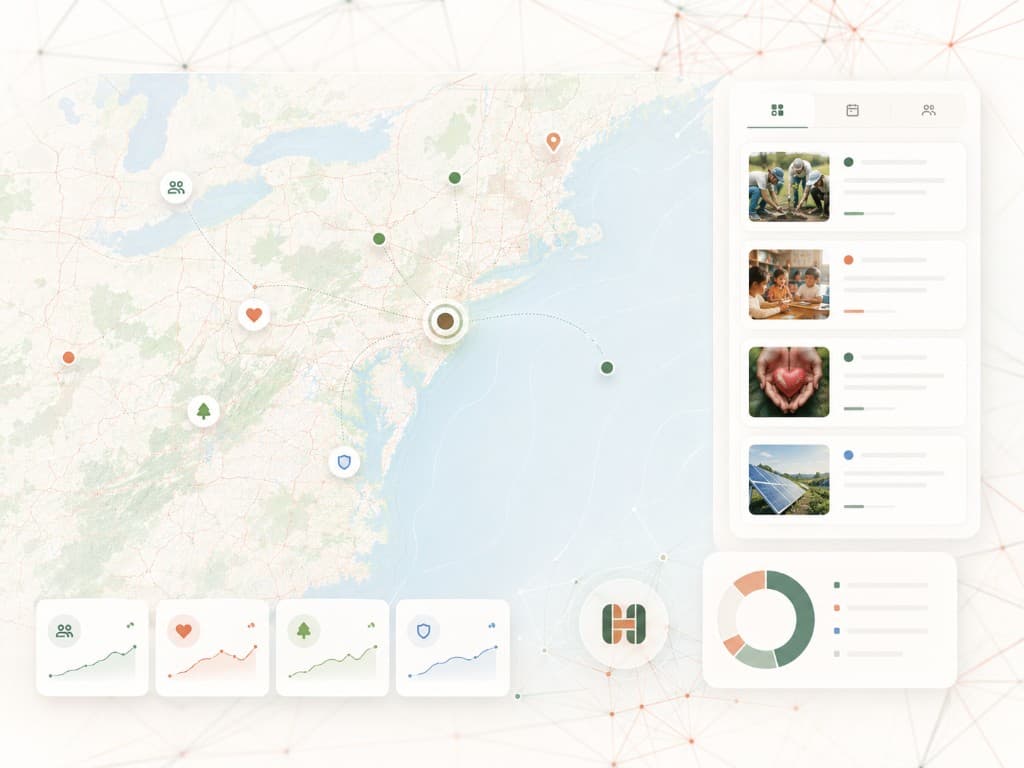
Each solution is a real module inside the Hope Network stack. Some are already live; others are in build. This page is the map of what's shipping.
9 Live7 In Development9 Coming Soon
Field ops, fundraising, enterprise tools, and community governance— one stack.
Category
Status
Browse
25 solutions
CommunityLive
Post-Quantum Security
Overview
Chain-enforced post-quantum transaction signing so Hope Network accounts stay secure as classical cryptography ages.
Hope Chain requires post-quantum signatures (ML-DSA-65, FIPS 204) for account transactions. Classical ECDSA wallets cannot authorize Hope account activity—every transfer, donation, governance vote, and node payout path is designed so tomorrow’s quantum computers cannot forge today’s signatures. This is not a marketing badge: the chain rejects classical pubkeys for Hope accounts and uses SIGN_MODE_PQ_DIRECT end to end. Consensus validator/P2P keys remain industry-standard for now; PQ protects user and application signing—the layer that moves value and records impact.
Key Features
ML-DSA-65 (FIPS 204) signatures for Hope account transactions
Chain-level enforcement via x/pqauth — classical account keys rejected
SIGN_MODE_PQ_DIRECT for donations, swaps, governance, and node ops
Future-ready identity for NGOs, donors, and node operators
Aligned with Hope Wallet HD paths and key rotation
Testnet-proven rails before mainnet hardening
Clear separation: PQ for accounts; consensus networking uses established validator crypto today
Use Cases
Signing donations and campaign actions that must remain trustworthy for decadesProtecting NGO treasuries and payout wallets against long-term cryptographic riskGovernance votes and parameter changes with quantum-resistant authorizationNode incentives and operator identity that classical wallets cannot spoofBuilder demos of PQ-native humanitarian rails